
Okay, so check this out—I’ve carried a crypto card in my wallet for months now. Wow. It changed how I think about keys and convenience. At first it felt almost gimmicky; a tiny NFC card that promises secure key storage? Seriously?
My first impression was: neat toy. Then reality set in. Initially I thought a hardware wallet had to be a dongle or a little screened device. But the card fit my lifestyle—simple, pocketable, and fast. Actually, wait—let me rephrase that: the card isn’t for everyone, but for people who prioritize convenience and low friction, it’s surprisingly powerful. On one hand, you trade some advanced signing UX for simplicity. On the other hand, you get tangibility, which matters in the real world.
Here’s what bugs me about the usual crypto UX—it’s clunky. Seed phrases, paper backups, typing long strings on mobile. It becomes this ritual that many people skip or screw up. My instinct said there’s a better way. And the Tangem approach tries to be that better way: the private key is literally on a sealed element inside a credit-card-sized object, and you sign transactions by tapping it with your phone. Hmm… that felt almost freeing.
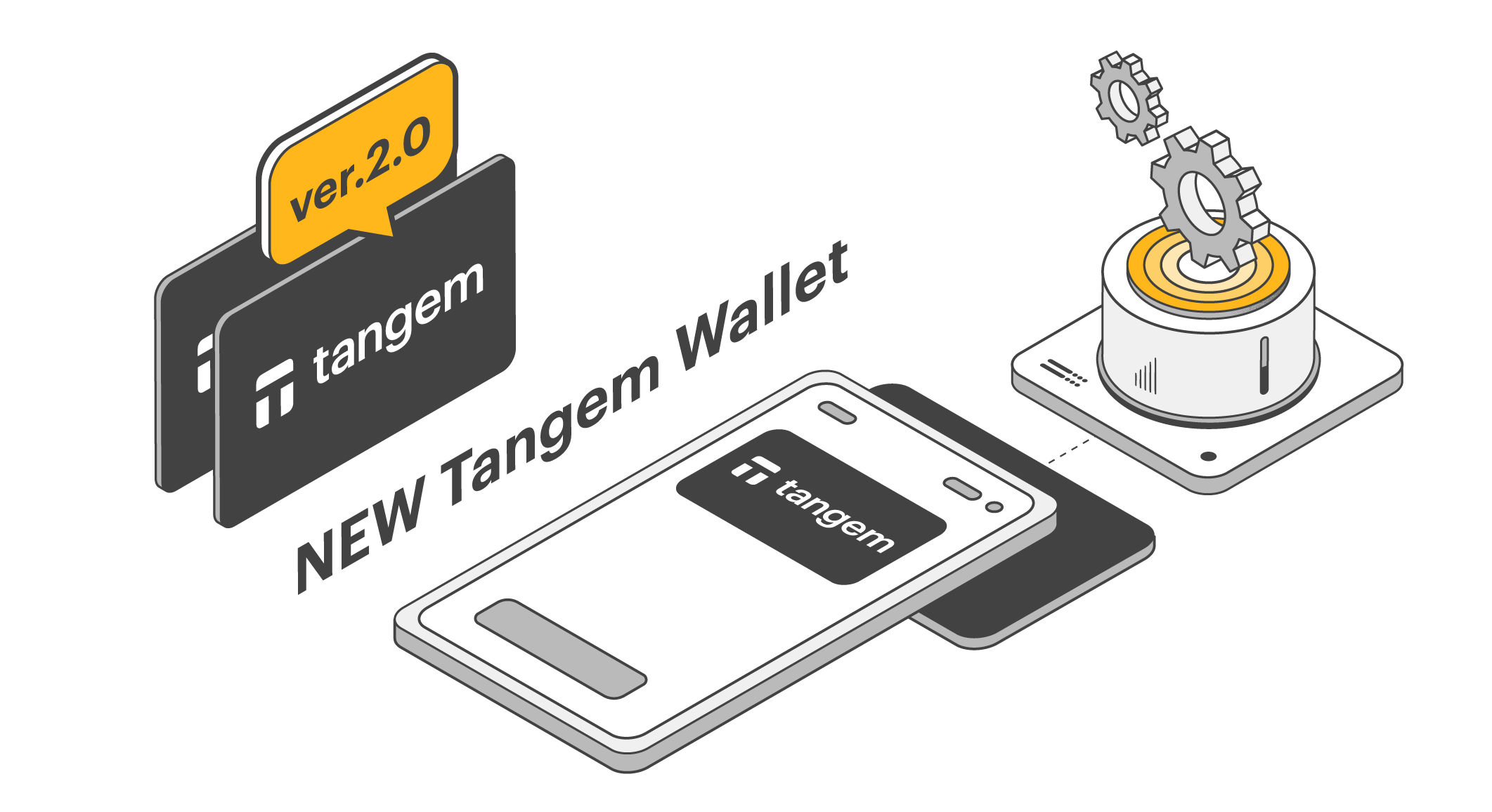
Why a card-based hardware wallet?
Short answer: low friction. Long answer: it hits the sweet spot between security and everyday usability. A lot of folks want strong custody but get intimidated by traditional hardware wallets. Those devices are great, but they add steps—cable, seed words, firmware updates—that feel like overhead. The card reduces that overhead without throwing away the core promise: your private key never leaves the secure element.
On a practical level, the card is passive. No battery. No OS to update. Tap. Sign. Done. It’s not perfect for advanced multi-sig workflows or very large custody setups, though. For day-to-day self-custody—sending, receiving, staking—it’s brilliant. There, I said it. I’m biased, but the trade-offs are worth it for many users.
Something felt off about the security messaging early on. People hear “NFC” and panic: “But isn’t wireless insecure?” The reality is nuance. Tangem cards use secure elements that are designed to resist physical tampering and to never expose the private key over a wireless channel. The phone talks to the secure chip; the chip signs. Period. You don’t stream your key out over Bluetooth or NFC. So while the interface is wireless, the core custody model remains air-gapped in the important sense.
Using the tangem wallet in the wild
I started using the tangem wallet app to interact with the card. At first I fumbled the tap—my hand wasn’t steady, or my phone case was too thick—but once I learned the sweet spot it became muscle memory. Tap, confirm on the phone, and the card signs. Fast. Clean. Low anxiety.
Here’s a little story. I was at a coffee shop, doing a quick ETH transfer to cover a vendor fee. Normally I’d delay and then forget. This time I tapped the card, confirmed, and walked out with the payment settled. It’s the kind of workflow that makes crypto feel usable for daily life, not just an occasional, slightly scary experiment.
Okay, quick aside—oh, and by the way, the app also supports token management and some staking features. I’m not 100% sure about every token in their catalog, but they cover the big ones, and the UX is steady. The key combos and signing dialogs are intentionally minimal. That’s good… though actually, sometimes I miss the granular fee controls for power users.
Security realities and trade-offs
On security: don’t get lazy. The card protects the private key, but social engineering, phishing, and user mistakes still happen. If you lose the card, there’s a recovery procedure you should have set up beforehand. Think of the card as a very secure vault—you still need a plan for what happens if the vault is lost or destroyed.
Initially I thought you could skip backups when using a card. Wrong. The recommended approach is to create a recovery method (seed or backup card). Tangem supports factory-backed or user-managed recovery, depending on the product. For personal accounts, I prefer a non-custodial backup I control. On the other hand, for gift cards or simple transfers, Tangem’s sealed approach is unique and very convenient.
On the technical side, if you’re the sort who reads specs: the card’s secure element resists side-channel attacks, stores the private key in hardware, and performs signatures internally. The phone never gets the key. There are still threats—supply-chain attacks, hardware cloning attempts, or an attacker who coerces you—but these are different than the big remote-exploit risks that plague hot wallets. So the threat model shifts, but you gain real-world safety.
When a card is the right choice
If you want everyday usability: card. If you want minimal setup, especially for non-technical users: card. If your top priority is integrating with advanced scripts and hardware signers: maybe not. I use a card for spending, receiving, and quick staking. I keep a more feature-rich device for complex operations. On one hand, the card reduces cognitive load. Though actually, for institutional or heavy power users, there’s a reason dedicated hardware wallets still dominate.
I’m biased toward simplicity. Partly that’s personal. I like less friction, and I’m lazy about managing many keys. Your needs may differ. If you plan to hold enormous sums, consider multi-sig and professional custody. But for mid-level holdings and everyday use, a card is a thoughtful middle ground.
FAQ
Is tap-to-sign secure?
Yes—with context. The card’s secure element performs signing; the private key never leaves the chip. NFC is just the transport. That doesn’t mean you can ignore phishing or fake apps. Use the official tangem wallet app, verify transaction details on your phone, and keep a recovery method.
What happens if I lose the card?
Plan for it. Tangem offers recovery options depending on the product you choose. For maximum safety, set up a recovery seed or secondary backup card as recommended. Treat the backup like a spare house key: keep it safe, not obvious.
Can I use multiple cards for one wallet?
Yes—there are workflows for multiple cards, and some users use one for spending and another for long-term storage. It’s flexible, though managing multiple physical objects brings its own overhead.
Okay, so to wrap up—well, not a stiff wrap-up, but a final thought: the card made crypto a weekly habit for me instead of a monthly chore. That was unexpected. It’s not the perfect tool for every task, but it nails the daily-use niche. I’m not 100% sure where this tech will land in five years, but right now it fills a practical gap between hot wallets and complex hardware signers.
Give it a try if you value speed and simplicity. And hey—if you lose it, don’t blame the card; blame your knack for misplacing things. Somethin’ to think about…